

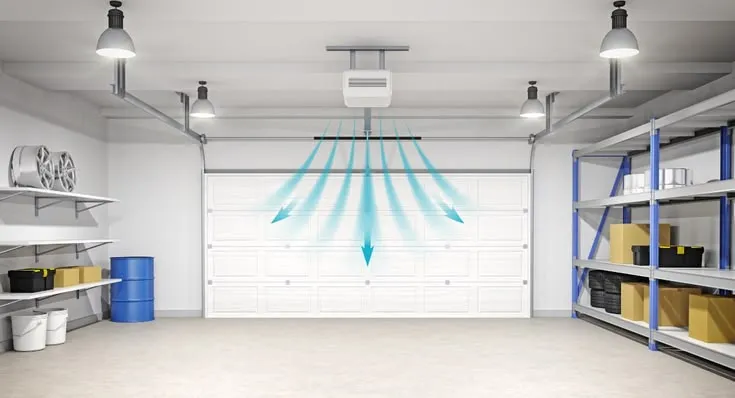
Summer often changes how Toronto households use their garages. A space that primarily shelters vehicles during winter may become a place for bicycle maintenance, gardening projects, furniture assembly, or organizing outdoor equipment. These activities introduce different demands on available space, lighting, and ventilation.
Homeowners planning garage storage improvements should consider how seasonal projects affect movement around the garage. Tools, materials, and temporary workstations can quickly occupy areas normally reserved for vehicles. A practical layout helps preserve access while allowing the garage to accommodate occasional activities without becoming permanently overcrowded.
Begin With the Activities Planned
Not every summer project requires the same arrangement. Bicycle repairs may need a stable workbench and convenient tool storage, while assembling outdoor furniture requires more open floor space.
Before purchasing storage equipment, homeowners can identify which activities they expect to perform most frequently.
The available garage area should then be measured with vehicles and existing fixtures in mind.
A flexible arrangement can provide temporary working space without requiring permanent changes for activities performed only a few times each year.
Storage Should Follow Frequency of Use
Seasonal belongings often compete for convenient locations. Gardening tools, camping supplies, sports equipment, and household maintenance items may all be needed during warmer months.
Frequently used items should remain accessible, while less regularly needed belongings can occupy appropriate secondary storage areas.
However, overhead shelves and wall-mounted systems must be suitable for their intended loads.
Homeowners should follow manufacturer instructions and consider whether stored items can be retrieved safely.
An organized arrangement should reduce unnecessary lifting and movement rather than simply maximize the number of items stored.
Airflow and Insect Control Are Different Concerns
Opening a garage door can introduce outdoor air, but it may also allow insects, leaves, and other debris to enter.
Homeowners exploring garage door screens may be interested in maintaining an opening while limiting insect entry.
However, a screen does not guarantee adequate ventilation for every activity.
Airflow depends on the building, surrounding conditions, and the substances or equipment being used.
Activities involving hazardous fumes, combustible dust, or fuel-burning equipment may require specialized controls or may be unsuitable for residential garages altogether.
A screen should never be treated as a substitute for appropriate ventilation or safe working procedures.
Workstations Need Clear Access
Temporary workbenches can be useful for household projects, but their placement should not interfere with doors, vehicles, or essential building equipment.
Homeowners should identify the main walking routes before arranging furniture and tools.
A practical workstation review can include:
- Bench stability: Use suitable equipment on appropriate surfaces.
- Tool access: Keep frequently used items within convenient reach.
- Electrical safety: Avoid overloaded outlets and unsafe temporary wiring.
- Vehicle clearance: Preserve room around parked cars.
- Emergency access: Keep required routes unobstructed.
These considerations support a practical workspace without assuming every garage is suitable for professional workshop activities.
Summer Heat Can Affect Working Conditions
Toronto garages can become uncomfortable during warm weather, particularly when they have limited insulation or direct afternoon sunlight.
Temperature conditions may also influence the storage requirements of certain products.
Paints, adhesives, batteries, and other materials can have manufacturer-specified temperature limits.
Homeowners should check these instructions before storing sensitive items in an unconditioned garage.
Fans or open doors may improve comfort in some circumstances, but they do not necessarily control hazardous airborne substances.
Where environmental conditions create safety concerns, the activity should be relocated or assessed by an appropriate professional.
Keep Dust-Producing Activities Separate
Cutting, sanding, and drilling can generate dust that settles on vehicles, tools, and stored belongings.
The type of material being worked on determines the potential hazards and suitable control measures.
Some tasks require appropriate extraction equipment and personal protective measures.
Homeowners should avoid assuming that opening the garage door is sufficient for controlling fine dust.
Keeping dusty work separate from clean storage areas can reduce contamination, but physical separation alone does not eliminate exposure risks.
Product instructions and relevant safety guidance should determine whether a task is appropriate for the space.
Plan for the Return of Winter Storage
A summer garage layout should not make it difficult to return to normal winter use.
As temperatures change, snow-clearing equipment, winter tires, and other seasonal belongings may need accessible locations.
Movable workstations and adjustable storage can make these transitions easier.
Homeowners should review which summer items can be stored elsewhere and whether the garage still accommodates vehicles comfortably.
Planning for seasonal changes reduces the need for a complete reorganization every few months.
Conclusion
A garage used for summer projects needs more than additional shelves and an open door. Storage accessibility, workstation placement, environmental conditions, and suitable safety controls all influence how the space functions. Screens may help limit insect entry, but they cannot replace ventilation measures required for hazardous activities. Toronto homeowners exploring options through garagestoragetoronto.ca can consider these factors when planning improvements. By organizing belongings around actual use and preserving clear access, households can create adaptable garages that support occasional projects without compromising everyday storage or safety requirements.