
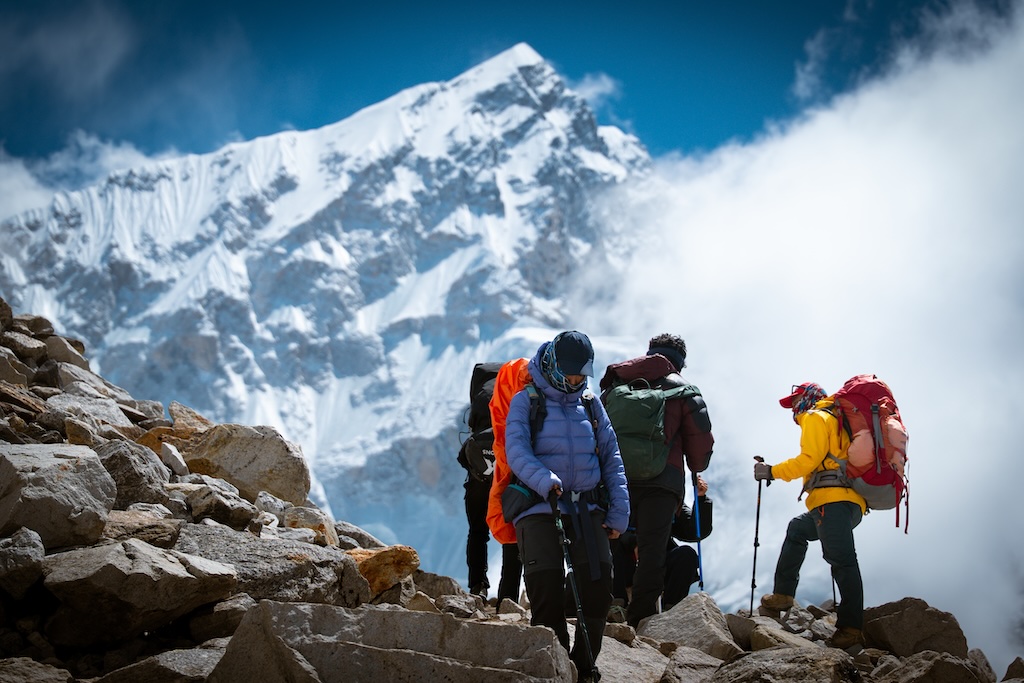
Trekking in the Himalayas is a great adventure—especially when it’s for Everest Base Camp; however, a trek requires being well prepared with quality trekking equipment. Lastly, a sleeping bag is one of the most crucial pieces of equipment; it acts as a heat and comfort ally on your trips by keeping you re-energized. The chill of night bites harder in the classic cold climates at maximum elevations, leaning towards the Everest area.
So selecting good products such as sleeping bags for the Everest Base Camp Trek is really needful to keep the trekkers warm at night after a day of tiring walks and has also been a contributing factor for overall trekking-related performance. This should be consistent with the altitude conditions you will enter and the weather conditions at that time of year, so personal comfort requirements (and some capability concerns if you’re trying to sleep within mountain teahouses!).
WARNING: Read on temperature ratings before purchasing a sleeping bag
Temperature rating is a real thing and one of the most important factors in selecting a sleeping bag for the Everest Base Camp Trek. Sleeping bags have ratings of comfort and dead temperature, very poorly, as well as how frequently cold can be left behind. Since overnight temperatures at Everest Base Camp can drop far below freezing, trekkers must bring along a very warm sleeping bag for those cold Himalayan nights. When selecting a bag with the right rating, you give yourself more warmth on those cold nights. A summer bag may not keep you warm enough, and a very heavy winter bag can negatively impact the way your body feels on the trail.
Choosing a Sleeping Bag for High Altitude
Since the Everest Base Camp Trek Guide is done in a high-altitude environment, mountain equipment will need to be used as well. Weather often varies with the high elevation as temperatures get cooler. Mountain bag: A sleeping bag specifically designed for high-altitude trekking. During the height of winter, trekkers would have to compare conditions on some trails around Dingboche, Lobuche, and Gorak Shep, where nighttime temperatures can fall well below freezing. Wearing gear meant for the purpose simply helps you enjoy the joys of trekking in the Himalayas better and assists your body as well, especially after slogging through these difficult walking days.
Alternative 1: Down vs. Synthetic Sleeping Bags
Most trekkers opt for either down or synthetic insulation when selecting the best sleeping bag for the Everest Base Camp Trek. This is for the absolutely fantastic warmth-to-weight ratio and packability of down sleeping bags. They are highly adapted to cold mountains but less so to wet ones. Synthetic sleeping bags are often cheaper and perform better when wet. You can have pros and cons for each of these, so the best among them will depend on your trekking needs as well as your preferences in addition to your budget. In a nutshell, this is how insulating material types help the traveler to make an informed decision and put theory into practice.
Picking The Correct Weight Of Your Sleeping Bag
So, while going for the Everest Base Camp Trek (as the trek requires you to travel on rough and rugged terrain carrying heavy gear over long distances as well), weight is definitely a huge factor. Some of the tents are like this too, but in general, a heavier sleeping bag would draw more energy from you; therefore, climbing uphill, mountaineering, or a long walking day may be tiring. But lighter also means less warmth and comfort, possibly? The perfect sleeping bag is lightweight and keeps insulation to a minimum. As far as trekkers are concerned, the perfect model is one that can keep him warm without weighing his backpack down with overly excessive load.
If you want to ensure that you will be more than fine with your sleeping bag, just do the whole inspection thing.
You’ll be inside your sleeping bag for countless nights on the Everest Base Camp Trek, so comfort when it comes time to roll up is crucial. A sleeping bag that lets you move and insulates well Bags that are too big = heat loss because there is extra air to warm (more body energy required). It can be a nuisance for sleeping if you adhere to it and narrow it down in some. Proper shape and height result in a better sleep. About trekking and high altitude, trekkers should not exert themselves too much, requiring adequate rest.
Choose a sleeping bag for insulation characteristics
A great sleeping bag utilizes features to keep you as warm and comfortable as you possibly can. Includes a deployed hood, heavy-duty zipper protection, draft collars, and solid outer materials. Will help to keep some of the heat off on a cold night. Has a nice comfy hood, which keeps the head area (the area where a lot of heat is lost from) covered. It is like sleeping on a beautiful blanket of insulation, but other than just the cozy factor, it does help recover a bit better during the trek.
Consider compatibility of the sleeping bag within the Teahouse system
When it comes to accommodation, luckily the majority of trekkers on the Everest Base Camp Trek stay in basic but comfortable teahouses (lodges) where you will find yourself a warm and cozy room; temperatures indeed fall well below freezing overnight! Although blankets are provided at many teahouses, they cannot always help during the colder seasons and even less so when climbing to greater elevations.
An individual sleeping bag that will be dry and warm. Choose a Sleeping Bag That Works in. Tea House: Choose a sleeping bag that is compatible with how teahouses operate & you will be more comfortable in the tea house area. But it helps the trekkers to choose the proper equipment when they know more about accommodation conditions.
Rent or buy a sleeping bag for the Everest Base Camp trek
Sleep bag to rent or buy for the Everest Base Camp Trek People who do not hike regularly, or people traveling frequently and looking to lighten their load when travelling, may also rent shoes, as it might be a lot more practical. Multiple trekking shops rent out different types of sleeping bags that are suitable for Himalayan conditions in Nepal. Experienced trekkers searching for their personal equipment, meaning assured quality and cleanliness, are better off buying. It depends on how often you hike, your budget, and your personal choice.
Get Ready And Test your sleeping bag beforehand
That is the reason, before you head for the Everest Base Camp Trek, you must rehearse with your sleeping bag and set aside some effort to become accustomed to its traits. This gives you an opportunity to confirm that the sleeping bag fits and will function properly for use during sleep before heading out on your trip. Moreover, travelers should learn to properly pack and protect the sleeping bag. That is also a bag, a waterproof blah deep storage bag good for keeping bad insulation away from your body as you travel (fingers crossed!). Packing it right means that the sleeping bag stays true to its purpose—throughout your entire Himalaya trip!
When you are a backpacker, here is a tip to keep your sleeping bag.
In mountain conditions trekking gear can be exposed to hail, cold air, and rain. Your sleeping bag insulation can be a big problem on the Everest Base Camp Trek; therefore, it is usually needed to be protected. By placing it inside a waterproof liner or dry bag, rain, snow, and accidents do not ruin it. They should avoid putting the sleeping bag on top of the wet areas when sitting after hiking. Whereas it is a proper care with which the material equipment can sustain that throughout this trip safely and comfortably.
Select a sleeping bag according to the trekking season
Best Sleeping Bag For the Everest Base Camp Trek season guide based on the time of your travel. During fall and spring, they are good trekking seasons; in other seasons, you can have trekking no problem, but the weather is very bad due to rain and snow—still cold at night, especially if you are high level. Temperature drops significantly, so winter trekking requires more additional layers of insulation. Monsoon trekking equals more moisture-related problems, and synthetic has advantages here too. Utilizing the site from which a sleeping bag you use is based on seasonal climate so as to maximize warmth and comfort for every trekking trip.
Common Sleeping Bag Selection Mistakes
Top Mistakes When Choosing a Sleeping Bag for Everest Base Camp Trek Prices and Costs of an EBC Trek. MIstakes Selecting a bag based only on cost Ignoring temperature ratings Picking something too heavy Not considering altitude conditions A cheap sleeping bag does not insulate you, and a heavy model totally unfit for trekking causes more problems. Research and knowing what you need can prevent such issues. The ideal sleeping bag must provide insulation, warmth, and durability.
Conclusion: How to Choose a Sleeping Bag For the Everest Base Camp Trek
Selecting an appropriate sleeping bag for your Everest Base Camp Trek is one of the basic preparations for a successful experience in the Himalayas. A good sleeping bag keeps them warm and helps them recover from tough mountain days by ensuring good sleep. Travelers use profile temperature ratings, insulation type, weight, comfort rating, and the conditions of use to make an appropriate choice. While trekkers will be well-equipped, they should know that the skies will clear for them to see magnificent views of mountains and Sherpa culture with a better experience than before.