
Most large facilities view waste management as simply a cost of doing business, a necessary compliance obligation that needs to be managed at the lowest cost possible. Unfortunately, this approach often leaves serious revenue on the table. For manufacturers creating substantial quantities of scrap metal, a more strategic approach to waste can turn the cost of disposal into a lucrative source of new income.
Start With a Waste Stream Analysis
Before you start changing anything, you’ve got to find out what you’re actually getting rid of. A well-conducted waste audit puts everything your site throws out in two piles: stuff that makes you money and stuff that costs you money. The second pile matters more than just about any plant manager realises.
Scrap metal is generally money, but on the condition the processor receives it uncontaminated. Steel offcuts chucked in with general industrial waste, swarf, oily rags, or hazardous materials become worthless. The audit shows you where it’s being contaminated and how much it’s actually costing you.
The cleaner the load, the more you’ll get paid. Non-ferrous metals, aluminium, copper, brass, make you more per tonne than ferrous, but if you’re not separating the two streams at source, you’re effectively paying the processor to do it for you.
Logistics and Partner Selection Affect Your Margin
Transportation costs associated with moving scrap metal off your location are often an unseen financial drain on many recycling programs. Shipping heavy scrap long distances to a processor or recycler can significantly reduce your facility’s net recovery by eating up potential returns on the materials.
For instance, a facility in the Greater Sydney region may gain more by engaging a western sydney scrap metal specialist rather than shipping it across the country to a remote processor. As little as a few additional cents for transportation per pound can offset any potential returns from your scrap. And the cost is ultimately passed on to you since it’s built into your return rate.
One problem is that companies default to their current recycling provider or shipping scrap to a willing buyer, neither of which covers the most effective or least expensive approach. This is in part because they often lack the knowledge to make an informed decision.
On-Site Segregation is Where Value is Won or Lost
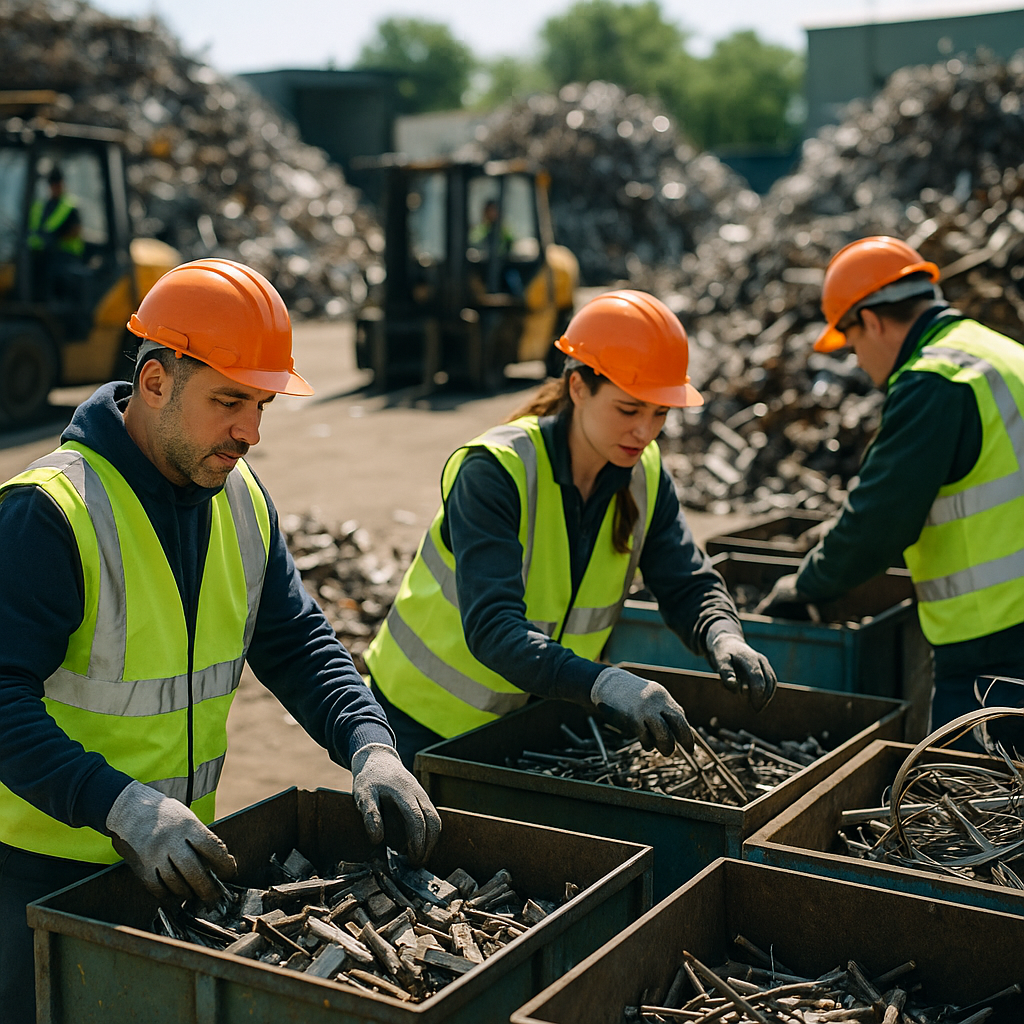
The most impactful operational change that the majority of plants can make is a source separation protocol on the factory floor. Designated containers for different metal streams at the point where scrap is generated, not at the loading dock, not at a central compactor.
When segregation happens upstream, high-value alloys don’t get buried under mixed waste. Most critically, the staff on the floor need to be able to identify what they’re handling. That sounds simple, but in practice many facilities don’t invest in basic training on how to distinguish a copper-bearing alloy from a lower-grade steel offcut. That gap has a direct dollar value.
The waste hierarchy, reduce, reuse, recycle, recover, is worth following in that order. Reduction and reuse should come before assuming that recycling is the answer. In some cases, offcuts can be reintroduced to the production process or sold as secondary material before they ever reach the scrap bin.
Building This Into Your Operational Framework
Piecemeal enhancements are not effective unless they are fully integrated into the existing system. Those operations that treat scrap metal as a revenue generator rather than simply a disposal issue tend to act in similar ways.
First, they establish and measure internal targets for the recovery of scrap, rather than just looking at the cost of disposal. Next, they regularly review waste stream performance within operational meetings, rather than reviewing such measurements once a year, if at all. Finally, they are more likely to review their processing partnerships regularly, rather than just leaving established arrangements in place each renewal period.
One method of kicking things off is to integrate these strategies into the broader context of an existing environmental management system. Specifically, using your ISO 14001 processes to identify where waste and scrap metal stripping occurs and what is documented is a great first step.
Furthermore, choosing the right partners among your scrap metal buyers can drive efficiencies right back to production. They must be able to add value in the form of greater recovery rates, better segregation, and closer auditing. Using recycled steel scrap to produce new steel reduces CO2 emissions by approximately 58% compared to virgin iron ore production. This percentage will become increasingly important as your customers’ procurement departments tighten their requirements around sustainability in the supply chain.
Aligning Waste Management With Operational Performance
Facilities that relegate scrap metal management to a back-burner consideration as a problem for the maintenance team to solve generally find themselves on the losing end of the ledger. On the other hand, those that regard it as a strategic input, one that deserves their careful reflection and planning, tend to make it an organizational strength.
Most large facilities produce enough industrial scrap to impact their bottom line if they better segregate it, choose partners, and coordinate logistics. The goal isn’t to become a recycling operation. It’s to run a tighter facility that extracts value from every output stream, not just the ones that show up on the production line.