
Alright, so you’ve probably seen bolts and screws everywhere—holding bikes together, keeping furniture from falling apart, or buried deep inside machines. They both twist into things and keep stuff tight, right? But even though they look kinda similar, bolts and set screws are totally different tools. And no, it’s not just about how big or small they are.
Let’s break it down in the simplest way possible so it actually makes sense—no fancy language, no confusing builder talk.
The Basics: What’s a Bolt?
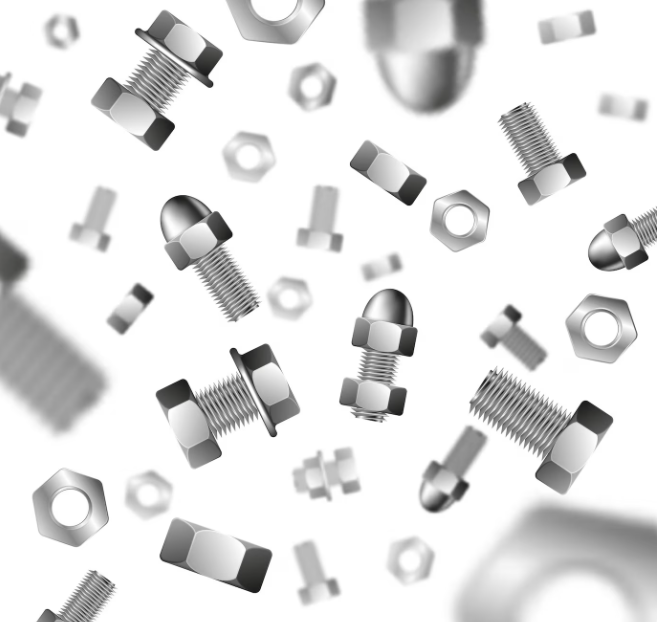
A bolt is the thing you’ve probably seen the most. It’s a metal rod with threads (those twisty grooves) that go around the outside. Most bolts have a thick head on one end—that’s the part you grip with a wrench or spanner. The other end gets pushed through a hole, and then it gets tightened down with a nut on the other side.
So picture this: you’re building a skateboard ramp. You push the bolt through a plank of wood, and on the other side, you screw on a nut to hold it in place. That bolt isn’t gripping into the wood. It’s not even trying. It depends completely on that nut to stay put. The nut and bolt work as a team.
Bolts are perfect when you’re connecting two things together through holes and want them to stay super tight, even when there’s a lot of shaking or movement.
And What’s a Set Screw?
Now here’s where things change. A set screw looks a bit like a bolt but doesn’t have a nut. Actually, it never uses a nut. It’s designed to grip straight into the part it’s holding.
Think of a doorknob that’s attached to a spinning rod. That knob stays in place because there’s a set screw inside, pressed hard against the metal rod. The screw digs in and locks everything together so nothing slides or spins on its own.
Set screws are usually much shorter than bolts. Most don’t even have a regular head—they might have a tiny hex socket inside, so you’d need an Allen key to twist them. Their job is to press in tightly and stop movement, not just hold two pieces together.
A good example of where to find both bolts and set screws, along with tons of helpful information, is this page on Bolts Set Screws. It shows all kinds of fasteners, plus what they’re actually used for in the real world.
Head vs No Head: A Quick Spot-the-Difference
One way to tell them apart fast is to check if the fastener has a head sticking out. If it does, it’s probably a bolt. Most set screws don’t have a regular head at all. They sit flush (flat) with the surface, or even inside it.
Why does that matter? Because sometimes you don’t want the fastener to be seen or to stick out. A set screw is perfect when everything needs to look clean or move smoothly without bumps.
Threads Matter More Than You Think
Here’s another big difference. Bolts usually have threads only partway up the shaft. The top section under the head is smooth. That’s because it needs to slide through one piece of material before getting locked with a nut on the other side.
Set screws, on the other hand, are threaded all the way from top to bottom. Since they screw directly into a hole and don’t use a nut, every part of the screw has to grip tight.
What They Actually Do Is Different
Okay, so this is the biggest reason bolts and set screws aren’t the same thing. Bolts are all about holding two or more things together by going through them and clamping down. Set screws are about stopping movement between two things that already fit together—usually something inside something else.
Let’s say you’ve got a wheel that spins on a rod. You don’t want that wheel to just spin freely or slide off. So you drill a small hole through the wheel and tighten a set screw against the rod inside. Now the wheel stays exactly where it’s supposed to be, even if it’s spinning fast.
If you used a bolt instead, you’d need to drill all the way through both the wheel and the rod, which could mess everything up.
Where You’ll See Each One
Bolts are everywhere: construction sites, bikes, cars, furniture, playgrounds—you name it. If there are two things joined together with a nut on the other side, there’s probably a bolt doing the job.
Set screws show up in places you don’t usually see. Think machines, engines, door handles, pulleys, or tools where a moving part needs to stay fixed on a shaft. Even something as small as an RC car might have a set screw holding the wheels on tight.
Materials and Strength
Both bolts and set screws are made from super tough materials like stainless steel or hardened alloys. They have to survive pressure, heat, or twisting forces without breaking or stretching.
But they’re not always treated the same way. Set screws sometimes have pointed tips to dig in deeper and stop spinning. Some are even coated to grip better or resist rust.
Bolts are more about overall strength. Since they’re taking big loads and sometimes supporting whole structures, they’re built for heavy-duty work and often tested to make sure they don’t snap under pressure.
Can You Use One Instead of the Other?
Not really. Even though they both twist in and tighten things, bolts and set screws aren’t interchangeable.
Using a bolt instead of a set screw might leave you with something that spins loose or doesn’t stay lined up. Using a set screw where a bolt is needed could mean the whole thing falls apart because there’s nothing locking it down properly.
It’s kind of like trying to use a glue stick when you really need tape. Both are sticky, but they’re made for different jobs.
Why It Matters
Knowing the difference between a bolt and a set screw might seem small, but in real life, it’s a big deal. Builders, mechanics, and engineers rely on these parts every day. Getting it wrong could mean a wobbly table, a loose gear in a motor, or even something dangerous failing under pressure.
Even small projects at home can go smoother when the right fastener is used. It saves time, stops problems later, and just makes things work better.
What to Remember
So here’s the bottom line:
- Bolts need nuts and are used to hold pieces together.
- Set screws don’t need nuts and are used to lock things in place.
- Bolts usually have heads and are longer.
- Set screws are short, headless, and grip from the inside.
- Each one has a different job, and using the wrong one can mess things up.
Next time you see a bolt or a screw, take a closer look. There’s a lot more going on than just twisting metal into place. It’s smart design that keeps everything working the way it should.
And if you ever have to build something, fix something, or figure out what’s rattling inside a machine, knowing the difference between these two can seriously help.
Want more cool info or need to find the right part for your project? There are great places online that explain exactly what you need—plus show all the different sizes and types out there. Just make sure to look for solid sources that actually know what they’re talking about.