

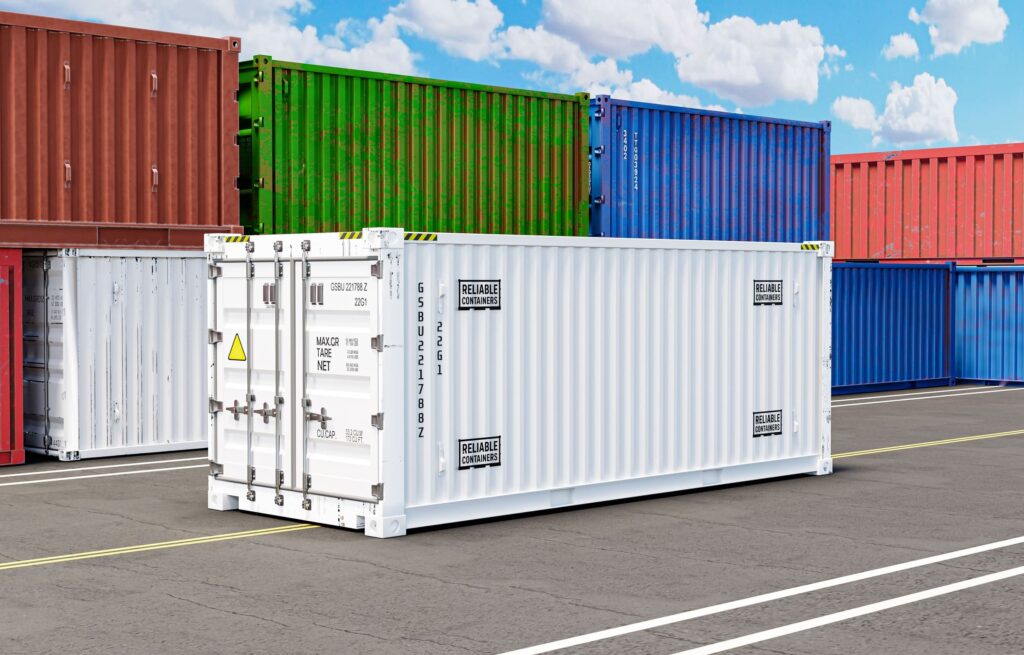
Storage containers for sale are widely used across Canada for construction projects, commercial storage, and seasonal operations. While most buyers focus on size and upfront cost, long-term usability depends on factors that are rarely highlighted in listings. Understanding how storage containers perform in real conditions helps buyers avoid common issues and select units that remain functional over time.
This article examines storage containers from a practical, use-driven perspective rather than a sales lens.
What Defines a Storage Container
A storage container is typically a repurposed intermodal container used in a fixed location rather than for transport. These units are designed for strength and security, but their performance as storage depends on placement, condition, and environmental exposure.
In Canada, storage containers are frequently used where permanent structures are impractical or unnecessary, such as temporary job sites or overflow storage.
Common Applications and Their Requirements
Different storage needs place different demands on a container.
- Construction storage prioritizes security and durability
- Commercial inventory storage emphasizes dryness and access
- Agricultural use often involves seasonal exposure and relocation
Matching the container’s condition to the specific application reduces the risk of premature replacement.
Condition Factors That Affect Storage Performance
For storage use, functionality matters more than appearance.
- Doors should open easily and seal tightly
- Floors must be structurally sound and dry
- Roof panels should show no signs of sagging or leaks
- Ventilation reduces condensation and moisture buildup
Containers meeting these criteria are better suited for long-term storage, regardless of cosmetic wear.
Understanding Container Pricing in Context
Pricing for storage containers reflects more than the unit itself. Buyers often underestimate how logistics affect total cost.
Location and Availability
Containers located near major ports or depots are typically priced more competitively. Inland or remote locations often include additional transport costs.
Comparing container prices without accounting for delivery distance can be misleading.
Delivery and Placement
Storage containers require specialized delivery equipment. Site access, ground conditions, and unloading method all influence final cost.
Regulatory and Site Planning Considerations
Local bylaws may regulate how long a storage container can remain on-site, particularly in residential or mixed-use zones. Some municipalities treat containers as temporary structures, while others impose stricter requirements for extended use.
Proper site preparation, including leveling and drainage, also plays a key role in long-term usability.
Inventory Turnover and Timing
Availability of storage containers fluctuates with construction cycles and seasonal demand. During peak periods, selection may be limited and prices higher.
Reviewing active container inventory helps buyers understand current market conditions rather than relying on outdated expectations.
Selecting the Right Configuration
While standard 20-foot and 40-foot containers dominate the market, configuration can matter as much as size.
Door condition, interior height, and structural integrity all influence how effectively a container functions as storage. Evaluating available container products with these factors in mind leads to better long-term outcomes.
When Storage Containers May Not Be Ideal
For temperature-sensitive materials, frequent daily access, or sites with strict zoning controls, alternative storage solutions may be more appropriate despite higher initial costs.
Storage containers work best when simplicity, security, and durability are the primary requirements.
Frequently Asked QuestionsAre storage containers suitable for year-round use?
Yes, if properly placed, ventilated, and maintained.
Do storage containers require permits?
Permit requirements vary by municipality and duration of use.
How long do storage containers typically last?
With basic maintenance, they can remain functional for many years.
Can storage containers be relocated?
They can be moved, though relocation adds handling and delivery costs.